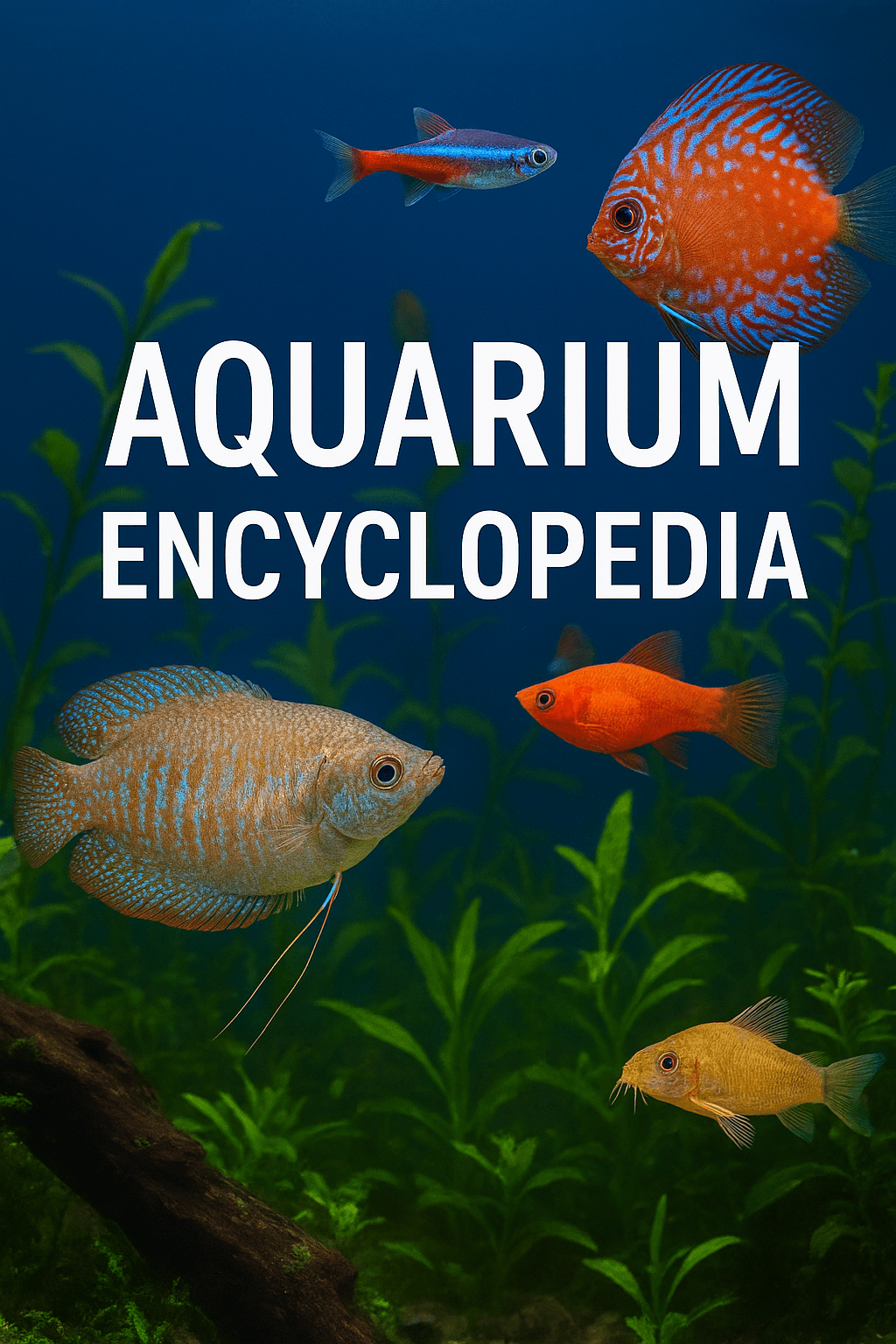
Discus
Common Name
Discus
Scientific Name
Symphysodon spp.

Symphysodon spp.
Adult Size:
6–8 inches (15–20 cm)
Recommended Group Size:
5–6+
Experience Level:
Advanced
Recommended Aquarium Size
Discus require large, stable aquaria due to their size, schooling behavior, and sensitivity to fluctuations in water quality. A dedicated discus tank or a very large, well-structured community tank with only compatible tank mates is ideal
| Tank Size | Notes |
|---|---|
| 75 gallons+ | For small group (6+ adults), 4’+ length best |
| 50 gallons | Minimum for temporary housing, not for adults |
Compatible Tank Mates
Avoid: Fast, aggressive, or nippy fish (e.g., barbs, certain cichlids); goldfish (temperature incompatibility); oscars; most catfish (except corys/plecos); and shrimp (may be eaten by adults)
| Species | Compatibility & Notes |
|---|---|
| Cardinal tetras | Peaceful, withstand warm temperatures |
| Sterbai corydoras | Tolerant of higher temps, peaceful, bottom-dwellers |
| Rummy nose tetras | Excellent dither fish, peaceful |
| Bristlenose pleco | Good algae cleaner, not aggressive, but keep population to one |
| Apistogramma (dwarf cichlids) | Only if tank is large and well-aquascaped |
| Angelfish | May be risky; possible for competition or aggression in tight quarters |
Water Parameters
Discus are among the most water quality-sensitive aquarium fish, requiring pristine, stable, and very warm water conditions. They detest ammonia and nitrite and are intolerant of excessive nitrate. Large, frequent water changes (30–50% two to three times a week for adults) are a must, making discus suitable only for aquarists prepared for rigorous maintenance routines
| Parameter | Range |
|---|---|
| Temperature | 82–86°F (28–30°C) |
| pH | 6.0–7.0 (up to 7.5 OK for some) |
| Hardness | Soft, 1–8 dGH |
| Nitrite/Ammonia | 0 ppm |
| Nitrate | <10 ppm (50% water changes routine) |
History and Origin
Discus are native to Amazonian blackwater, slow-moving tributaries of South America, especially in Brazil and eastern Peru. These environments are soft, acidic, warm, and rich in dissolved tannins—conditions difficult to replicate, but achievable with careful management and water preparation in the modern aquarium. Three main species are recognized: Symphysodon aequifasciatus (blue/green), S. discus (red/brown), and the less common S. tarzoo (Heckel discus); however, hybridization and selective breeding are common in the trade. Discus have been called the “king of the aquarium” for their beauty but their care needs are not for beginners
Temperament and Personality
Discus are shy, peaceful, highly social schooling fish that do best in groups of six or more. When kept singly, or in pairs, they are stressed and will pine away. They are calm but can be aggressive during spawning or when establishing hierarchy, especially among males. Discus have distinctive color-changes that indicate stress, breeding behavior, or environmental upset. They are intelligent, recognize caregivers, and can be responsive during feeding. Because of their timid nature, it is essential to minimize noise, rapid movement, or bright lighting near their tank
Other Pertinent Information
Diet: Omnivorous but prone to pickiness. Feed discus pellets, fortified frozen foods (beef heart, bloodworms, brine shrimp) and a small amount of quality flake. Regular, small feedings (2–3 times/day) help avoid waste and uneaten food.
Tank Setup: Tall tanks with soft sand or bare bottom, driftwood, and robust plants (Anubias, Java fern, Amazon swords). Some hobbyists prefer bare tanks for hygiene and easier cleaning.
Spawning: Challenging; pairs are best formed from groups. Parents fan eggs and secrete mucus for the fry’s initial nutrition.
Health: Susceptible to parasitic and bacterial infections; rapid intervention crucial.
Lifespan: 8–15 years depending on genetics and environment.
Expense: Quality adults often command premium prices due to complex care.