Boesemani Rainbowfish
Common Name
Boesemani Rainbowfish
Scientific Name:
Melanotaenia boesemani

Melanotaenia boesemani, commonly known as Boeseman’s Rainbowfish, is endemic to the Ajamaru Lakes region of West Papua, Indonesia. Males exhibit striking sexual dimorphism, with vibrant coloration and elongated dorsal fins that distinguish them from females.
Fun Fact: This rainbowfish is famous for its split-color body — the front half glows bluish-purple while the back half blazes orange-red. Their colors intensify at night or during social displays, making them one of the most visually dramatic freshwater fish in the hobby
Description
Picture a living flame slicing through your aquarium: the Boesemani Rainbowfish is a breathtaking display of iridescent blue, orange, and gold. Males show a trademark “split” coloration: the head half shimmers in cobalt and electric blue, giving way mid-body to a glowing orange-red or golden tail; females are softer-hued but no less elegant. Growing to 4–5 inches, these mid- to upper-water swimmers bring not just beauty but constant lively energy as they school and court with dramatic social displays.
Schooling is essential—the more Boesemani Rainbows, the more dazzling the show. Groups surge in synchronized formation across planted lanes, stopping to flare fins or chase one another amid open glades. Their remarkable coloration intensifies with good care, making them a top “centerpiece” fish for aquariums of 4 feet or more in length.
Adult Size:
4–5 inches (10–12.5 cm)
Recommended Group Size:
6+
Tank Size:
Minimum 50 gallons (75+ preferred for active schools)
Recommended Aquarium Parameters
Boesemani Rainbowfish are energetic, social swimmers that thrive in long, open tanks with plenty of lateral space. Their natural behavior includes darting from end to end in shimmering bursts of color, especially when kept in groups of six or more. A tank that’s at least 4 feet long (50+ gallons) is essential not just for swimming room, but for maintaining stable water parameters and reducing territorial stress.
They do best in moderately hard, slightly alkaline water with a stable temperature between 75–82°F (24–28°C). Avoid letting temperatures creep above 82°F for extended periods, as it can dull their coloration and increase stress. Live plants like Vallisneria, Java fern, and Cryptocoryne provide excellent cover and oxygenation without impeding their movement. Moderate flow mimics their native lake environment, and consistent partial water changes are key to keeping nitrates low and colors vibrant.
| Parameter | Range | Notes |
|---|---|---|
| Tank Size | 50+ gallons (4'+ long) | Groups of 6+ thrive with room to swim |
| Temperature | 75–82°F (24–28°C) | Stable temps; avoid prolonged exposure above 82°F |
| pH | 6.5–8.0 | Slightly basic preferred; stable conditions are key |
| Hardness | 8–20 dGH | Moderately hard to hard water ideal |
| Ammonia/Nitrite | 0 ppm | Pristine water quality is essential |
| Nitrate | < 30 ppm | Frequent partial water changes recommended |
| Lighting | Moderate–strong | Brings out vibrant coloration and encourages plant growth |
| Flow | Moderate | Helps mimic natural lake currents and oxygenate water |
Compatible Tank Mates
Boesemani Rainbows are generally peaceful, but they’re also fast, assertive swimmers with a strong mid-water presence. Their energy can overwhelm slower or more delicate species, so it’s important to choose tank mates that match their pace and temperament.
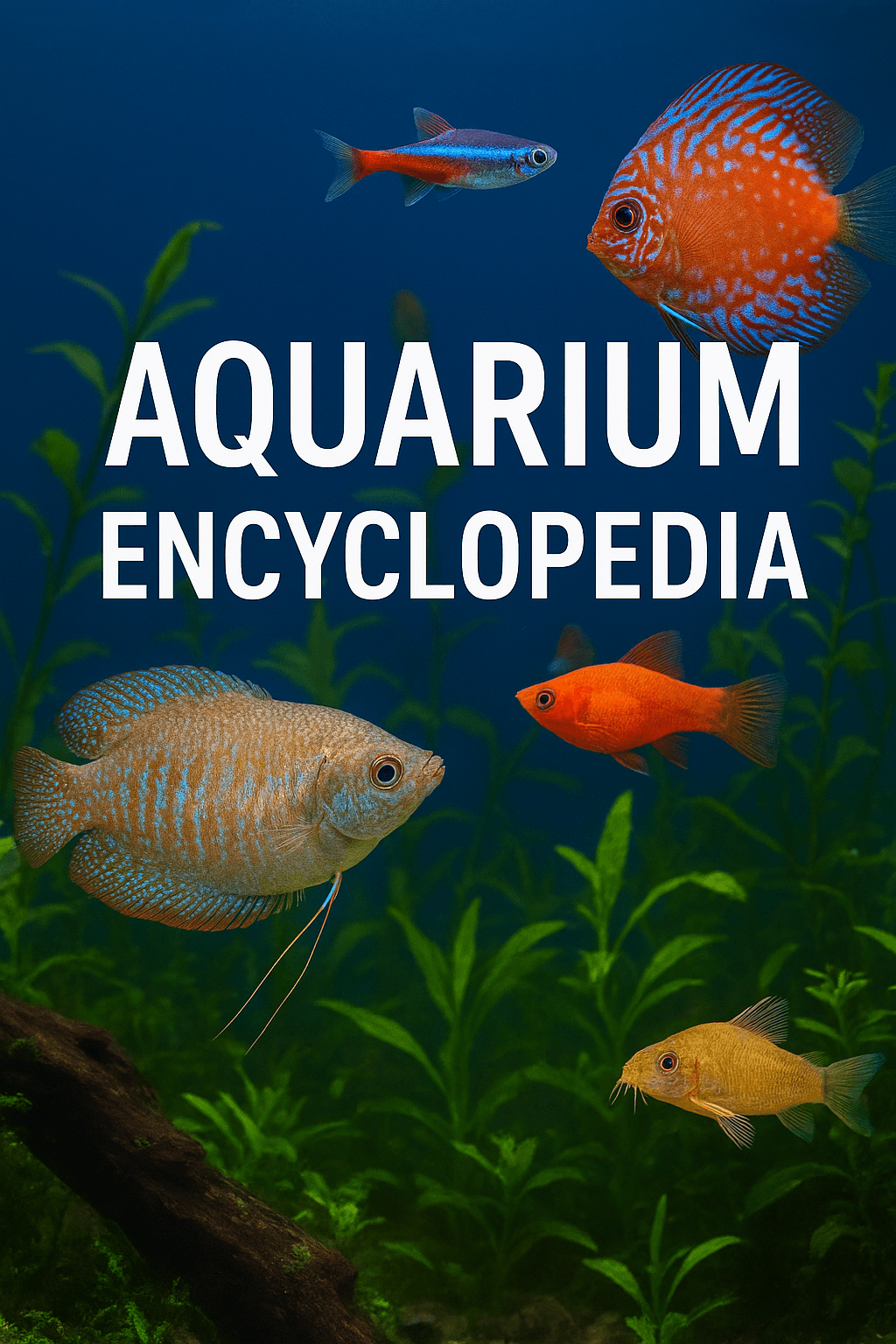
Ideal companions include other medium-sized rainbowfish (especially Melanotaenia species), peaceful barbs, larger danios, Corydoras catfish, non-aggressive loaches, and robust livebearers like Platies. Mid-sized tetras, Pearl Gouramis, Dwarf Gouramis, and even larger snails can coexist comfortably when space and water quality are well-managed. These tank mates help Boesemani Rainbows display natural schooling behavior, reduce stress, and prevent any one fish from becoming a target.
Avoid housing them with small shrimp, nano fish, or slow-moving species that may be outcompeted for food or mistaken for snacks. Aggressive cichlids, fin-nipping barbs, or territorial fish can disrupt the calm, active dynamic Boesemanis thrive in.
A well-matched community tank allows Boesemani Rainbows to show off their full color and personality — surging through open water in coordinated bursts, interacting socially, and remaining healthy and stress-free.
| Type | Examples | Notes |
|---|---|---|
| Ideal Companions | Melanotaenia spp., peaceful barbs, larger danios, Corydoras, loaches, tetras, Platies, Pearl/Dwarf Gouramis, robust snails | Match size and activity level; mid-water swimmers preferred |
| Species to Avoid | Small shrimp/fry, delicate nano fish, aggressive cichlids/barbs, slow-moving species | Risk of bullying, stress, or being outcompeted for food |
History and Origin
Boesemani Rainbowfish hail from the Ayamaru Lakes and surrounding marshes on the Bird’s Head Peninsula in West Papua, Indonesia. These lakes sit atop the Ayamaru Plateau, over 350 meters above sea level, and are known for their clear, fast-moving waters, dense vegetation, and sandy or muddy shallows. The species was first collected in 1954 by Dutch ichthyologist Dr. Marinus Boeseman, whose name the fish now honors. It wasn’t until 1980 that Gerald Allen and Norbert Cross formally described Melanotaenia boesemani as a distinct species.
In their native habitat, Boesemani Rainbows are known locally as “sekiak” or “ikan rascado” and are sometimes caught and dried for food. Unfortunately, their wild populations have suffered due to deforestation, pollution, and unsustainable harvesting for the aquarium trade. The IUCN currently lists them as Endangered, making responsible sourcing more important than ever.
Today, most Boesemani Rainbowfish in aquariums are captive-bred, often in Southeast Asia or Europe. These fish retain the vibrant coloration and peaceful temperament of their wild counterparts, but aquarists should still prioritize reputable breeders and suppliers who avoid contributing to illegal or harmful collection practices. Supporting ethical breeding helps preserve this iconic species and ensures its continued presence in both aquariums and the wild.
Temperament and Personality
Boesemani Rainbowfish are energetic, sociable, and boldly expressive — the very definition of a schooling species. Their behavior is dynamic and visually captivating, especially in well-balanced groups. Males are known for their vibrant displays, flaring their fins and engaging in ritualized “sparring” matches to impress females. These interactions are most intense in the early morning, when light levels rise and social energy peaks. It’s not aggression — it’s choreography: a dance of dominance, color, and courtship.
They thrive in groups of six or more, ideally with a slight male–female bias to encourage natural behavior and reduce stress. In smaller groups, Boesemanis may become withdrawn, lose coloration, or exhibit territorial tension. But in larger schools, their personalities bloom — they surge across the tank in coordinated bursts, interact playfully, and maintain a peaceful hierarchy.
Despite their boldness, Boesemanis are rarely aggressive. They’re curious, fast-moving, and highly interactive with their environment. Their confidence makes them excellent centerpiece fish, but it also means they need tankmates that can keep up. Slow or timid species may be overwhelmed by their pace, while equally active companions help reinforce their schooling instincts and reduce the chance of any one fish being singled out.
In short: Boesemani Rainbowfish are social athletes. Give them space, give them numbers, and they’ll reward you with color, movement, and personality that elevate the entire aquarium.
Other Pertinent Care Information
Lifespan: 5–8 years with excellent care; longevity improves with stable water quality and group housing.
Diet: Omnivorous micro-predators; accept high-quality floating or slow-sinking pellets, color-enhancing flakes, and relish live/frozen fare like baby brine shrimp, daphnia, bloodworms, and mosquito larvae. Will opportunistically graze on biofilm and soft algae.
Tank Setup: Long tanks (4+ feet) with open swimming lanes, dense planting (Vallisneria, Java fern, Crypts), and driftwood or rockwork for structure. A dark background and moderate lighting enhance their signature two-tone coloration. Moderate current and excellent filtration are essential.
Breeding: Egg scatterers; males display vivid colors and courtship dances at dawn. Spawning occurs among fine-leaved plants or spawning mops. Adults may consume eggs, so separate parents or collect eggs for best fry survival. Fry require infusoria or powdered fry food initially.
Health Concerns: Sensitive to poor water quality; prone to fin rot, ich, and stress-related infections if ammonia or nitrate levels spike. Maintain pristine conditions with regular partial water changes and avoid sudden parameter shifts.
Care Tip: Never keep Boesemanis alone or in pairs — they are true schoolers. Groups of 6–10+ reduce stress, boost color, and encourage natural behavior. Their best hues emerge with a varied diet, stable parameters, and room to move.