Oto Catfish
Common Name
Oto Catfish, Dwarf Suckers
Scientific Name
Otocinclus spp.
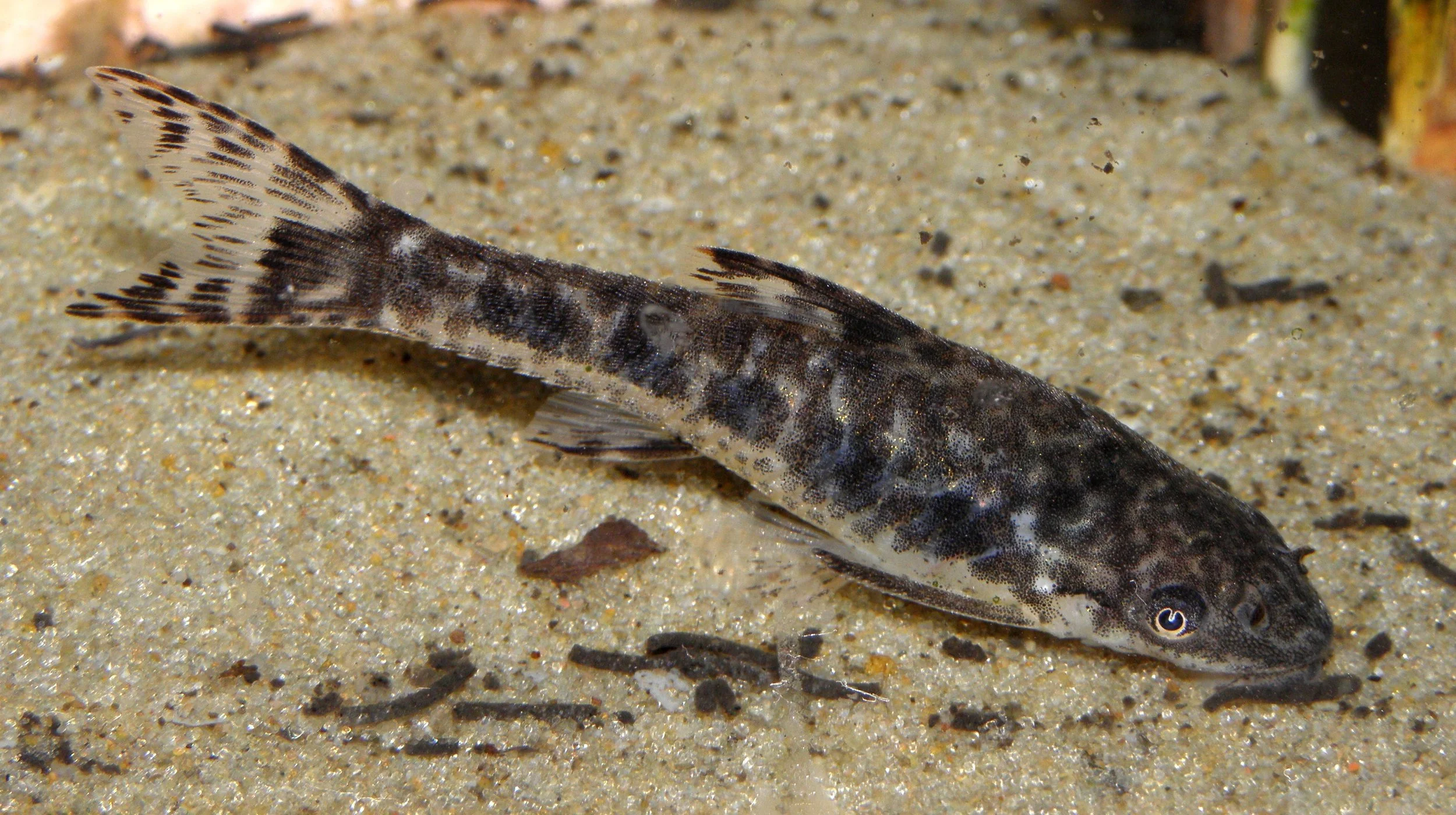
Otocinclus spp., often called dwarf suckermouth catfish, are peaceful algae grazers that thrive in planted tanks with soft water and stable conditions. Fun fact: unlike many bottom-dwellers, Otos prefer to school — they feel safest and most active when kept in groups of six or more!
By CHUCAO - Own work, CC BY-SA 3.0, https://commons.wikimedia.org/w/index.php?curid=25734274
Adult Size:
1–2 inches (2.5–5 cm)
Recommended Group Size:
6+
Experience Level:
Beginner to Intermediate
Recommended Aquarium Parameters
Otocinclus spp. are peaceful, algae-grazing catfish native to small, oxygen-rich South American streams. Their care hinges on stable water chemistry, gentle flow, and group housing in mature, plant-rich aquariums. Though small, they are highly sensitive to poor water quality and should never be added to unstable or newly cycled tanks.
Tank Size: A minimum of 10 gallons is suitable for a group of 4–6 Otos, but larger tanks offer better stability and grazing surface. Nano tanks are feasible only if heavily planted and well-maintained.
Temperature: Maintain a range of 72–79°F (22–26°C). A heater is recommended to prevent seasonal dips, especially in cooler climates.
pH: Slightly acidic to neutral water (6.0–7.5) mimics their native conditions. Stability is more important than precision.
Hardness: Soft water is preferred, ideally 2–15 dGH. Excessive hardness may reduce comfort and grazing behavior.
Ammonia/Nitrite: Must remain at 0 ppm at all times. Otos are scaleless and extremely vulnerable to nitrogen spikes.
Nitrate: Keep below 20 ppm through frequent water changes (25–30% weekly). High nitrate levels can lead to stress and immune suppression.
Flow: Provide gentle to moderate flow with high oxygenation
| Parameter | Range | Notes |
|---|---|---|
| Tank Size | 10+ gallons | For 4–6 Otos; larger tanks offer better stability and grazing surface |
| Temperature | 72–79°F (22–26°C) | Stable range; heater recommended to prevent seasonal dips |
| pH | 6.0–7.5 | Slightly acidic to neutral; prioritize stability over precision |
| Hardness (dGH) | 2–15 | Soft water preferred; avoid extremes |
| Ammonia/Nitrite | 0 ppm | Highly sensitive; even trace amounts can be fatal |
| Nitrate | < 20 ppm | Frequent water changes (25–30% weekly) recommended |
| Flow | Gentle–moderate, well-oxygenated | Avoid strong currents; support grazing and oxygen needs |
Compatible Tank Mates
Ideal: Small tetras (neon, ember, glowlight), rasboras, Corydoras catfish, peaceful livebearers (guppies, mollies), dwarf gouramis, cherry or Amano shrimp, peaceful snails
Avoid: Large or boisterous fish (cichlids, barbs, goldfish), any predator large enough to eat a 1–2 inch fish
Otocinclus are peaceful, non-aggressive algae grazers that thrive alongside small, gentle community fish such as neon tetras, ember tetras, rasboras, Corydoras catfish, guppies, mollies, and dwarf gouramis. They also coexist well with cherry or Amano shrimp and peaceful snails. Avoid housing them with large, boisterous, or predatory species like cichlids, barbs, or goldfish, as Otos are easily stressed and injured. Competition with other algae eaters (e.g., Siamese algae eaters) can limit food access, so ensure ample biofilm or supplemental feeding. Group housing is essential for their wellbeing.
| Species | Compatibility Notes |
|---|---|
| Neon, Ember, Glowlight Tetras | Small, peaceful schooling fish; ideal companions in planted tanks |
| Rasboras | Gentle midwater swimmers; non-competitive and visually compatible |
| Corydoras Catfish | Bottom-dwellers that avoid competition; help clean substrate without disturbing Otos |
| Peaceful Livebearers (Guppies, Mollies) | Compatible if not overly boisterous; ensure stable water parameters |
| Dwarf Gouramis | Generally peaceful; monitor for territorial behavior in smaller tanks |
| Cherry or Amano Shrimp | Excellent invertebrate companions; no aggression or competition |
| Peaceful Snails | Compatible grazers; help maintain biofilm and algae balance |
| Large or Aggressive Fish (Cichlids, Barbs, Goldfish) | Not recommended; may injure or eat Otos due to size or aggression |
| Other Algae Eaters (e.g., Siamese Algae Eaters) | Monitor for food competition; ensure ample algae or supplemental feeding |
History and Origin
Otocinclus, often affectionately called “Otos,” belong to the family Loricariidae and are widely distributed east of the Andes, from northern Venezuela to northern Argentina, though they are generally absent from the Amazon and Orinoco lowlands. These diminutive catfish evolved in shallow, fast-flowing tributaries and clearwater streams, where aquatic plants, leaf litter, and submerged surfaces provide both shelter and food.
In the wild, Otocinclus form loose shoals, grazing continuously on biofilm and soft algae that accumulate on rocks, driftwood, and plant leaves. This behavior not only helps them avoid predators through camouflage and constant movement, but also contributes to ecosystem balance by preventing algal overgrowth and promoting healthy oxygen exchange.
Their bodies are armored with bony plates and equipped with a suckermouth, allowing them to cling to surfaces in moving water. Some species even possess a specialized air-breathing diverticulum, enabling survival in low-oxygen conditions.
Despite their popularity in aquariums, most Otocinclus available in the hobby are still wild-caught, as captive breeding remains difficult and rare. This makes sustainable sourcing a critical concern. Responsible aquarists are encouraged to:
Ask retailers about collection practices and holding conditions.
Support breeders or suppliers who prioritize ethical harvesting and long-term population health.
Avoid impulse purchases, especially from tanks with mixed or stressed stock.
Because wild-caught Otos are often collected in large numbers and shipped under stressful conditions, they may arrive malnourished or weak. A mature, stable aquarium with abundant algae and gentle care is essential for their recovery and long-term wellbeing.
Temperament and Personality
Otocinclus are gentle, social fish that thrive in peaceful community tanks. They are never aggressive or territorial and rely on the comfort of a group—keeping at least six is essential to prevent stress and encourage natural behavior. In healthy shoals, they stay active and industrious, grazing on surfaces and darting playfully when startled. Their calm, cooperative nature makes them ideal companions for other small, non-aggressive species.
Other Pertinent Info
Diet
Otocinclus are strict herbivores, specializing in soft green algae and brown diatoms. They graze continuously on biofilm, plant surfaces, and driftwood. Supplement their diet with blanched vegetables (zucchini, spinach, cucumber), algae wafers, or gel foods formulated for aufwuchs grazers. Avoid overfeeding — remove uneaten vegetables within 24 hours to prevent water quality issues.
Tank Setup
Only introduce Otos to mature, algae-rich aquariums. New tanks rarely support their dietary needs. Ideal setups include smooth stones, driftwood, dense planting (Anubias, Java fern, moss), and low-flow hiding zones. Stability and surface area are key.
Breeding
Captive breeding is rare and unpredictable. Success requires pristine water, group dynamics, and live food supplementation. Most breeding occurs accidentally in well-established, plant-heavy tanks with minimal disturbance.
Lifespan
Typical lifespan is 3–5 years, though some individuals may live longer with exceptional care and stable conditions.
Care Tip
Only add Otos to stable, mature tanks with an established algae crop. Always keep them in social groups of six or more, and monitor feeding closely. Their wellbeing depends on gentle handling, clean water, and consistent grazing opportunities.
⚠️ Health Concerns
Otos are extremely sensitive to ammonia, nitrite, and poor acclimation. “Starvation syndrome” is common in store-bought individuals that were underfed or housed in barren tanks. Always quarantine new arrivals, and avoid selecting thin or emaciated fish.