Platy
Common Name
Platy (Southern Platy, etc.)
Scientific Name
Xiphophorus maculatus
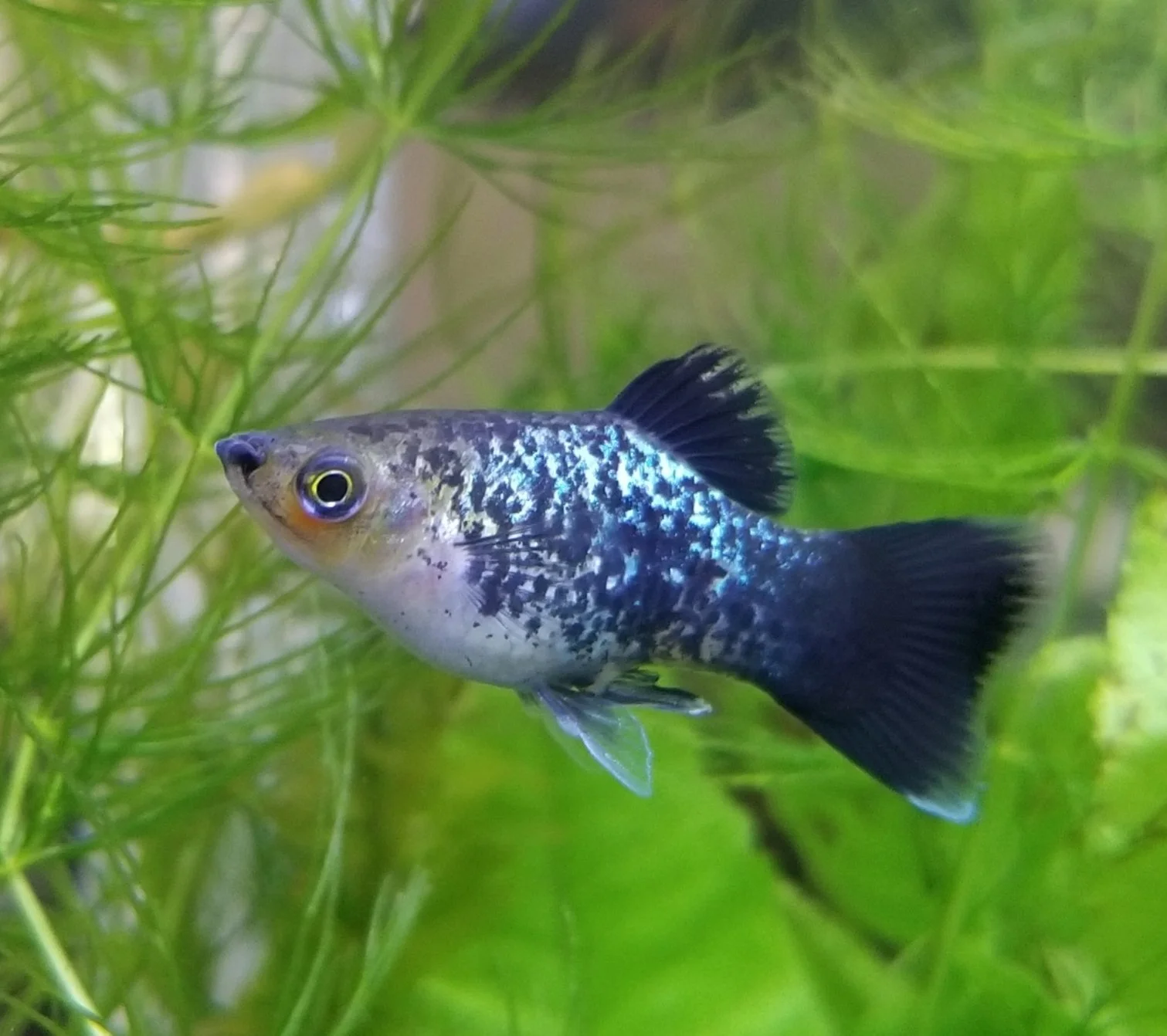
Xiphophorus maculatus, commonly known as the platy, is a colorful, peaceful livebearer ideal for community aquariums. Available in a wide range of hues—from sunset orange to metallic blue—platies are hardy, social, and easy to care for. Fun fact: platies can interbreed with swordtails, creating unique hybrid strains in mixed tanks!
By Tafkira2 - Own work, CC0, https://commons.wikimedia.org/w/index.php?curid=70650001
Adult Size
Males: 1.2–1.5 inches (3–4 cm) Females: 2–2.5 inches (5–6 cm); occasionally up to 3 inches (7 cm)
Recommended Group Size:
4–6+
Experience Level:
Beginner
Recommended Aquarium Size
Platies are hardy, small, and active. A minimum of 10 gallons accommodates a small group, but larger groups are best in 20+ gallons to accommodate breeding and the active swimming habits of these livebearers
| Group Size | Minimum Tank Size |
|---|---|
| 3–5 | 10 gallons |
| 6–8 | 15–20 gallons+ |
Compatible Tank Mates
Platies (Xiphophorus maculatus) thrive in calm, community aquariums alongside other gentle, similarly sized fish. Their peaceful nature makes them ideal companions for species like guppies, mollies, swordtails, and small rasboras—especially when all tank mates are adults and size differences are minimal. Because platies are livebearers adapted to hard, alkaline water, it’s crucial to choose companions that share these preferences. Soft-water species like neon tetras or certain gouramis may struggle long-term unless water parameters are carefully balanced.
Mixing incompatible species can lead to stress, illness, or aggression, even in tanks that appear peaceful at first. To maintain harmony, prioritize fish that match platies in temperament, size, and water chemistry. A well-planted tank with stable pH (7.0–8.2), moderate hardness (10–25 dGH), and consistent temperatures (72–78°F) helps all inhabitants feel secure and display natural behaviors.
| Compatible Species | Notes |
|---|---|
| Guppies, mollies, swordtails | All share similar water/aggression needs |
| Corydoras, otocinclus, bristlenose plecos | Safe, peaceful, helpful cleaners |
| Tetras, danios, rasboras | Only if not nippy or overly small |
| Shrimp, snails | Safe as adults; fry may be at risk |
| Avoid: aggressive cichlids, large or nippy fish | May bully or eat platies |
Water Parameters
Hard, alkaline water with abundant minerals is ideal; use a filter, avoid driftwood that lowers pH, and conduct 25% water changes weekly to maintain stability
| Parameter | Recommended Range |
|---|---|
| Temperature | 68–78°F (20–26°C) |
| pH | 7.0–8.3 |
| Hardness | 10–30 dGH |
| Ammonia/Nitrite | 0 ppm |
| Nitrate | <20 ppm (ideally <10 ppm) |
History and Origin
Platies come from slow-moving waters of Mexico and Central America, where they are found in creeks, canals, and ditches. Their wild ancestors are primarily green or tan, but crossbreeding with each other and swordtails in captivity has resulted in an astonishing array of colors, patterns, and fin morphs (e.g., Mickey Mouse, sunburst, red wag, blue). Platies are among the easiest and most forgiving fish for beginners
Temperament and Personality
Platies are renowned for their peaceful, social, lively natures. They do not school tightly but enjoy the company of conspecifics and spend most waking hours actively exploring the tank. Males incessantly chase females, so maintain a 1:2 male-to-female ratio—more females further reduces stress and boosts harmony.
Their tolerance for a wide range of conditions makes them, along with guppies, model starter fish. However, they may nip at more delicate fish if crowded, and may eat their own fry if not heavily planted
Other Pertinent Information
Diet: Omnivorous; thrive on flakes/pellets and benefit from plenty of plant/algae matter, plus occasional frozen/live protein (shrimp, bloodworms)
Tank Setup: Hardy in planted or rockwork tanks; appreciate plenty of open swimming space and some dense planting for fry
Breeding: Prolific livebearers; females give birth every 4–6 weeks, up to 50 fry/birth; adults will eat fry—plants or separate breeding tanks required for survival
Health: Robust if water is kept hard and alkaline, but susceptible to ich, fin rot, and fungal infections in soft, acidic, or dirty environments
Lifespan: 2–4 years, occasionally longer with excellent care